03Share

Academy

A library of Amirali Majidi’s own teaching materials — presentations and reading notes to preview and download.

Share is the third step of Amirali’s Think · Build · Share approach: passing knowledge on.

02 All materials 9 materials
  1. PDF

    دیزاین

    A-METHOD CARDS - A Practical Collection of Design Thinking Methods

    From understanding problems to developing creative solutions. A-Method Cards is an educational collection of practical design thinking tools and techniques designed to support problem discovery, user research, analysis, ideation, solution development, and evaluation. The collection is structured around three key stages: Analysis: Understanding users, exploring needs, and defining problems. Synthesis: Connecting insights, generating ideas, and developing creative solutions. Evaluation: Assessing alternatives, comparing ideas, and selecting effective solutions. Created and compiled by Dr. Mehran Fateminia, this collection offers valuable resources for designers, product managers, entrepreneurs, researchers, and innovation enthusiasts. Better questions. Better methods. Better solutions
    • English
    • 2 MB
  2. PDF

    استارتاپ و سرمایه‌گذاری خطرپذیر

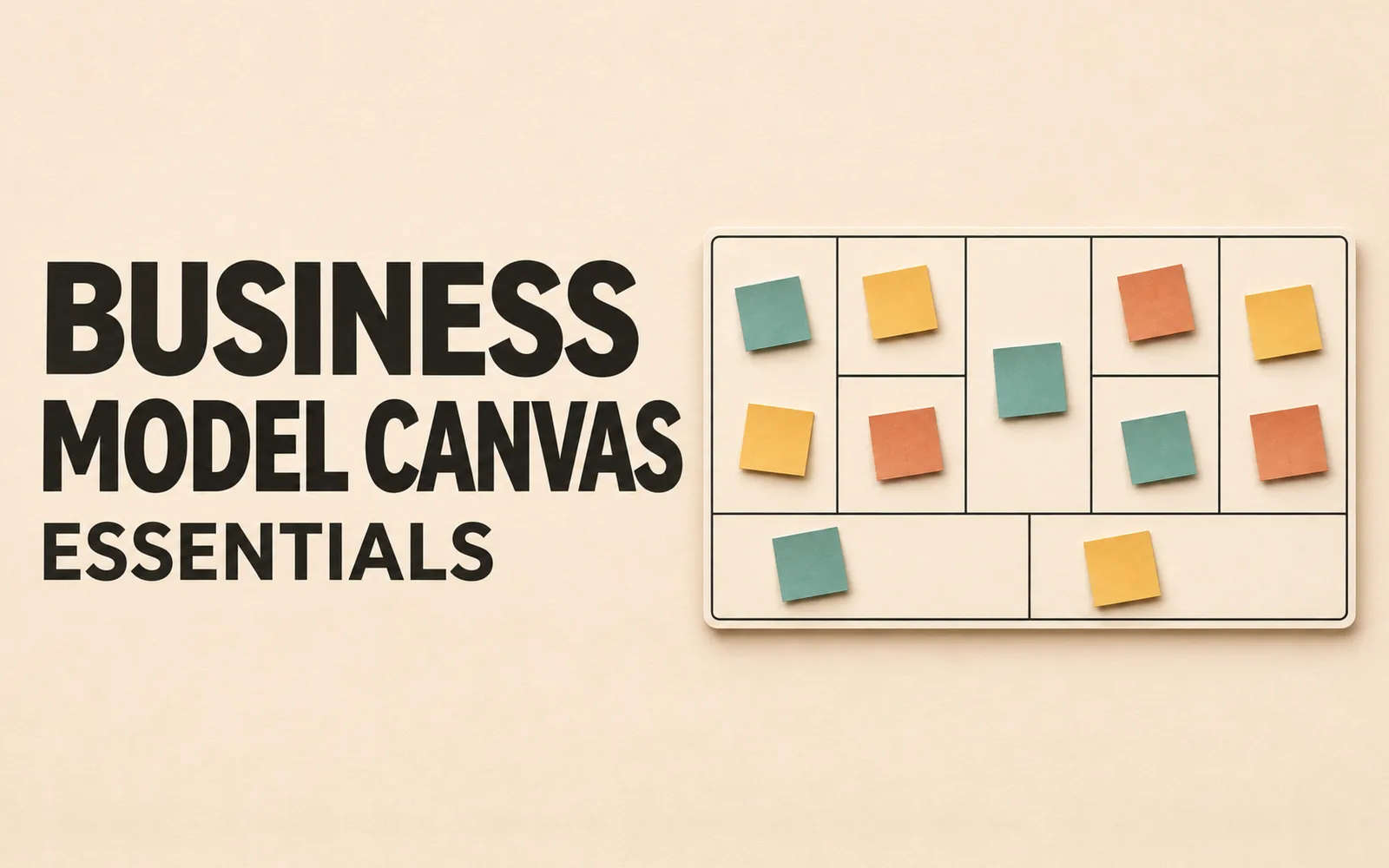
    Business Model Canvas

    Learn how to map a business idea on a single page with the Business Model Canvas. This guide introduces the nine building blocks and shows how they fit together, from who your customers are to how your business earns revenue.

    • English
    • 225 KB
  3. PDF

    استارتاپ و سرمایه‌گذاری خطرپذیر

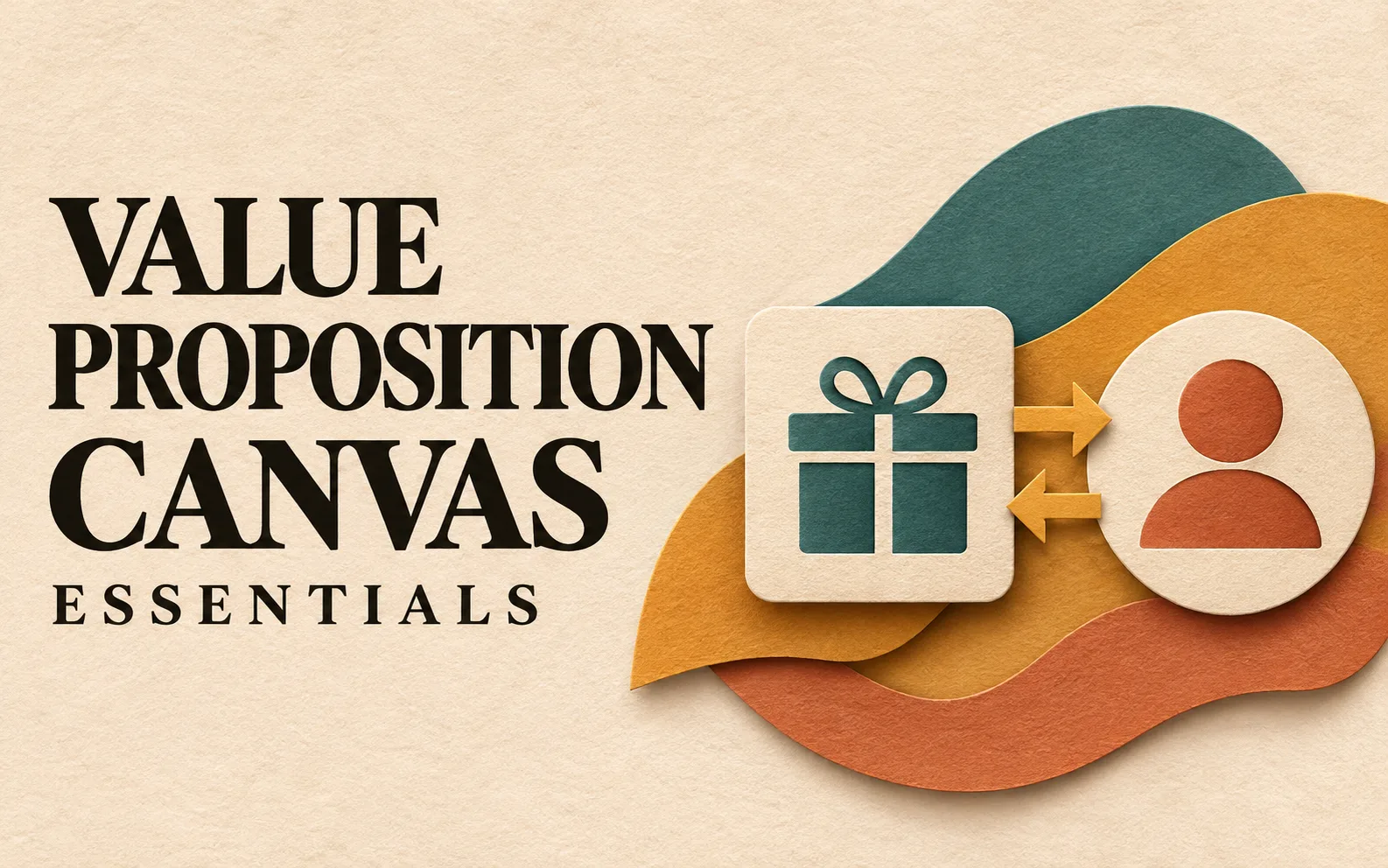
    Value Proposition Canvas Essentials

    Learn how to use the Value Proposition Canvas to connect what your product offers with what matters to your customers. A step-by-step example of a lunch pre-order service walks you through the Customer Profile and Value Map and shows how to check whether your offer addresses customers’ most important needs.

    • English
    • 162 KB
  4. PDF

    استارتاپ و سرمایه‌گذاری خطرپذیر

    Brainstorming Essentials

    Learn how to turn a problem into a range of possible solutions. This short guide shows you how to run a brainstorming session, collect ideas without judging them too early, and choose which ones to explore further.

    • English
    • 112 KB
  5. PDF

    استارتاپ و سرمایه‌گذاری خطرپذیر

    Market Sizing Essentials | TAM, SAM & SOM

    How big is your market, and how much of it can you realistically capture in your first year? Using a worked example of a lunch pre-order service, this guide shows you how to estimate TAM, SAM, and SOM from the bottom up and explain the assumptions behind each figure in your pitch deck.

    • English
    • 128 KB
  6. PPTX

    استارتاپ و سرمایه‌گذاری خطرپذیر

    Pitch Deck Essentials

    Learn how to present your startup to investors in a concise pitch deck. This short guide walks you through the essential slides, from the problem and your solution to the market opportunity, revenue model, and team.

    • English
    • 59 KB
  7. PPTX

    استارتاپ و سرمایه‌گذاری خطرپذیر

    MVP Planning Workbook

    Plan the first version of your product and test it with real customers. This workbook helps you choose a hypothesis to test, decide which features are essential, and define how you’ll measure success. A worked example shows how to use the results to decide what to do next.

    • English
    • 40 KB
  8. PPTX

    استارتاپ و سرمایه‌گذاری خطرپذیر

    Your First 10 Customers Workbook

    Build a practical plan to find your first 10 paying customers. This workbook helps you identify whom to approach, choose an outreach channel, and make a clear offer. It includes initial and follow-up message templates, a tracker from first contact to purchase, and a worked example to help you decide what to change in your next round.

    • English
    • 41 KB
  9. PPTX

    استارتاپ و سرمایه‌گذاری خطرپذیر

    Startup Idea Validation Workbook

    Before building your product, find out whether potential customers face the problem you want to solve. This workbook helps you define your first customer segment, prepare for customer interviews, and design a low-cost experiment with a clear success criterion. A worked example shows how to use the results to decide whether to move forward, refine the idea, or pause.

    • English
    • 35 KB